Source Deep Cleansing Nourishing Shampoo for Home, Hotel, and Commercial Use
Find 30 options for deep cleansing nourishing shampoo designed for home, hotel, and commercial applications. Buyers can compare specifications, customization services, and packaging details from verified manufacturers in China.
Key considerations
Products List


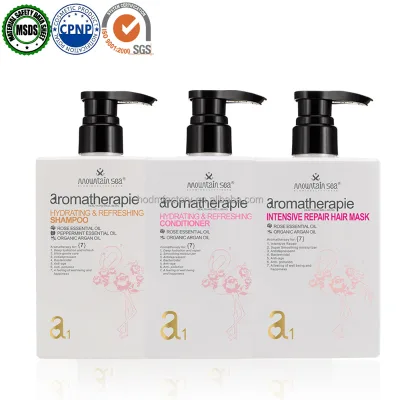


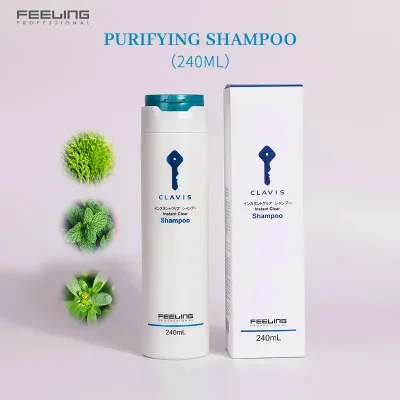


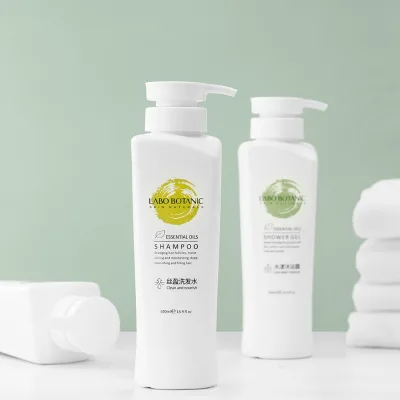


Comprehensive Sourcing Guide
Deep Cleansing Nourishing Shampoo Sourcing Guide
Sourcing high-quality hair care products requires a nuanced understanding of formulation balance, particularly when targeting the intersection of deep cleansing and nourishing benefits. Buyers must recognize that these two functions often present conflicting chemical requirements; surfactants responsible for aggressive dirt removal can strip natural oils, while emollients that provide moisture may leave residue if not properly balanced. The supplied data indicates a market presence for products labeled as "Hair Shampoo" with specific attributes such as "Cleaning Hair" and "Nourishing," suggesting that manufacturers are actively addressing this dual need. However, the term "deep cleansing" is not explicitly listed in the provided product facts, meaning buyers must verify if the observed "Cleaning Hair" function meets their specific intensity requirements or if they need to seek specialized formulations.
The procurement landscape for these items is diverse, ranging from standard commercial supplies to highly customized private label solutions. The observed product count of 30 items suggests a concentrated but varied supply base, primarily located in China, with origins noted in Jiangsu and Guangzhou. This geographic concentration implies a mature supply chain infrastructure, yet it also necessitates rigorous due diligence to ensure consistency across different manufacturing sites. Buyers should approach this category with the understanding that "deep cleansing" is a functional claim that must be substantiated by specific ingredient profiles and pH levels, rather than relying solely on marketing terminology found on product listings.
Product Scope and Observed Listing Signals
The current market listings reveal a strong emphasis on versatility and broad applicability, with multiple products specifying "All Hair Types" or "All Hair" as their target audience. This suggests that many suppliers are formulating neutral-to-balanced shampoos that can serve as daily drivers for a wide consumer base. The observed attributes include "Smooth, Rich Lather" and "Refreshing" effects, which are critical sensory indicators for end-user satisfaction. For buyers seeking a deep cleansing experience, the presence of "Chemical" ingredients is noted, which typically refers to synthetic surfactants or preservatives necessary for effective cleaning and shelf stability. However, the distinction between mild cleansing and deep cleansing is not explicitly defined in the provided facts, requiring buyers to scrutinize the ingredient lists for stronger surfactant profiles if their specific needs demand more than general cleaning.
Customization is a dominant feature in this segment, with "OEM / ODM / Private Label Service" widely available. This allows buyers to tailor the "Deep Cleansing" aspect by adjusting surfactant concentrations or adding clarifying agents like salicylic acid or charcoal, which are not explicitly mentioned in the supplied data but are standard industry practices for this function. The observed volume ranges from 300ml to 800ml, with packaging options including bottles and boxes, indicating flexibility for both retail and commercial distribution. Buyers should note that while "Natural Coconut Water Formula" and "Honey and Almond" special formulas are listed, these are often associated with nourishing rather than deep cleansing properties, highlighting the need to carefully select formulations that align with the primary functional goal of the product.
Technical Specifications to Verify
Verifying the pH level is a critical technical step, as the supplied data explicitly mentions a "pH Level: 4.5 - 6.5 (Scalp-Balanced Formula)." This range is generally considered gentle and suitable for maintaining the scalp's acid mantle, which is essential for healthy hair. However, for a product marketed as "deep cleansing," buyers must confirm if this pH range is sufficient for removing heavy buildup from styling products or hard water minerals. A lower pH might be preferred for cuticle sealing, while a slightly higher pH can enhance surfactant efficiency for cleaning. Buyers should request specific pH test reports for the exact batch or formula they intend to purchase, as the "Scalp-Balanced" claim may not align with the aggressive cleaning requirements of a deep cleansing shampoo.
The texture and lather properties are also key technical indicators, with "Smooth, Rich Lather" listed as an observed attribute. A rich lather does not necessarily equate to deep cleansing, but it is often a consumer expectation for perceived efficacy. Buyers should verify the viscosity and foam stability of the lotion or cream forms observed in the listings. Additionally, the "Rinse-off" type specification is standard for shampoos, but buyers must ensure that the formulation does not leave a heavy residue, which can counteract the "Refreshing" and "Cleaning" functions. The presence of "Dry Hair" and "Damaged Hair" specific formulas in the data suggests that some suppliers offer targeted nourishing lines, which buyers must distinguish from general deep cleansing products to avoid purchasing a moisturizing-heavy shampoo that fails to remove excess oil and buildup.
Compliance and Safety Documentation
Safety documentation is paramount when sourcing chemical-based hair care products. The observed "Chemical" ingredient attribute necessitates a thorough review of the Safety Data Sheets (SDS) and ingredient declarations to ensure compliance with destination market regulations. Buyers must verify that all chemical components, including preservatives and surfactants, are listed in accordance with local cosmetic regulations, such as the EU Cosmetics Regulation or the US FDA guidelines. The "Standard Specifications or Customized" nature of the products implies that compliance may vary by order, so buyers must ensure that the specific formula they are sourcing has undergone the necessary safety assessments and toxicological reviews.
Furthermore, the "Private Label Service" and "Customized" model options introduce additional compliance complexities. When working with OEM/ODM services, the buyer often assumes responsibility for product registration and labeling compliance in their target market. It is essential to confirm that the supplier provides all necessary documentation, including full ingredient INCI names, concentration ranges if required, and stability test results. The "Standard Packaging or Customized" option also requires verification that the packaging materials are compatible with the chemical formulation and do not leach harmful substances into the product. Buyers should insist on certificates of analysis (COA) for each batch to ensure consistency in chemical composition and safety.
Cost Drivers and Commercial Terms
The observed price range of 0.01-1300 USD and MOQ range of 1-20000 units indicate a highly flexible pricing structure that depends heavily on order volume and customization level. Lower MOQs, such as 1 unit, likely correspond to higher per-unit costs and may be limited to standard, off-the-shelf formulations. For buyers seeking custom deep cleansing formulations, the MOQs will likely be higher, reflecting the setup costs for specialized production runs. The "Standard Packaging or Customized" option also impacts cost, with custom packaging requiring additional tooling and setup fees that are amortized over larger orders.
Commercial terms such as lead times and payment structures are not explicitly detailed in the supplied facts, but they are critical for procurement planning. Buyers should negotiate clear lead times that account for the complexity of the formula, especially if "Deep Cleansing" requires specific ingredient sourcing or additional quality control steps. The "OEM / ODM / Private Label Service" availability suggests that buyers can leverage the supplier's existing formulations to reduce development time and cost, but this may limit the ability to achieve a truly unique "deep cleansing" profile. Buyers should also consider the cost implications of different volumes, such as the 300ml vs. 800ml options, as larger formats may offer better economies of scale but require more storage space and capital investment.
Supplier Qualification and Quality Control
Supplier qualification should focus on manufacturing capabilities and quality management systems. Given that the observed origins are in Jiangsu and Guangzhou, China, buyers should verify that the suppliers have established quality control protocols for chemical-based products. The "Standard Specifications or Customized" attribute suggests that suppliers may have baseline formulations that can be modified, so buyers should assess the supplier's ability to maintain consistency when adjustments are made. Requesting samples for laboratory testing is a crucial step to verify the "Cleaning Hair" and "Nourishing" claims, ensuring that the product performs as expected in real-world conditions.
Quality control should also extend to the packaging and labeling process, especially for private label orders. Buyers should implement incoming quality checks to verify that the final product matches the agreed-upon specifications, including pH, viscosity, and active ingredient concentrations. The "Customized" model options require clear communication of all technical requirements to avoid discrepancies in the final product. Buyers should also consider third-party inspection services to monitor production quality, particularly for large orders where defects can have significant financial and reputational impacts. Establishing a robust quality agreement with the supplier is essential to ensure that the "Deep Cleansing" and "Nourishing" benefits are consistently delivered.
Long-Term Procurement Checks
Long-term procurement success depends on continuous monitoring of product performance and supplier reliability. Buyers should establish a feedback loop with end-users to assess the efficacy of the "Deep Cleansing" and "Nourishing" claims over time. This feedback can inform future formulation adjustments and help identify any issues with product stability or performance that may not have been apparent during initial sampling. The "Refreshing" and "Revitalizing" attributes observed in the data should be regularly evaluated to ensure they remain consistent with consumer expectations and market trends.
Additionally, buyers should stay informed about regulatory changes and ingredient restrictions that may affect the sourcing of chemical-based shampoos. The "Chemical" ingredient attribute highlights the need for ongoing vigilance regarding the safety and legality of components used in the formulations. Regular audits of the supplier's quality management system and compliance documentation are essential to mitigate risks associated with changing regulations. By maintaining a proactive approach to supplier management and product evaluation, buyers can ensure a steady supply of high-quality deep cleansing nourishing shampoos that meet both functional and regulatory requirements.
FAQs
What customization options are available for this shampoo?
Customization is available for this hair shampoo product. Buyers can request OEM, ODM, or private label services with standard or customized packaging. The product origin is Jiangsu, China, and models like JJ-29-1 support these tailored requirements for specific brand needs.
Which hair types does this deep cleansing shampoo support?
This shampoo is designed for all hair types, including dry and damaged hair. It features a scalp-balanced pH level between 4.5 and 6.5. The formula offers nourishing and repairing effects suitable for unisex use in both home and hotel applications.
Can I find suppliers with specific volume options like 300ml?
Yes, suppliers offer volume options such as 300ml and 800ml. The product comes in standard packaging or customized bottles. These specifications are grounded in the available product models and are suitable for commercial applications requiring specific carton quantities.
How is the product formulated for deep cleansing and nourishing?
The product uses a chemical ingredient formula with a smooth, rich lather texture. Some variants feature a natural coconut water formula with a fresh coconut scent. It provides deep moisturizing and hydrating effects while effectively cleaning hair for all types.
What are the standard specifications for the shampoo models?
Standard specifications include models like JJ-13-2, JJ-18-1, and JJ-19-1 with volumes of 250ml, 300ml, or 400ml. The product originates from China, specifically Jiangsu and Guangzhou. These models support customized standards and packaging to meet diverse buyer requirements.
Which suppliers offer private label services for this shampoo?
Suppliers provide OEM, ODM, and private label services for this hair care product. The service allows for customized packaging and standard specifications. Buyers can source from manufacturers in Jiangsu and Guangzhou who cater to commercial and home use applications.